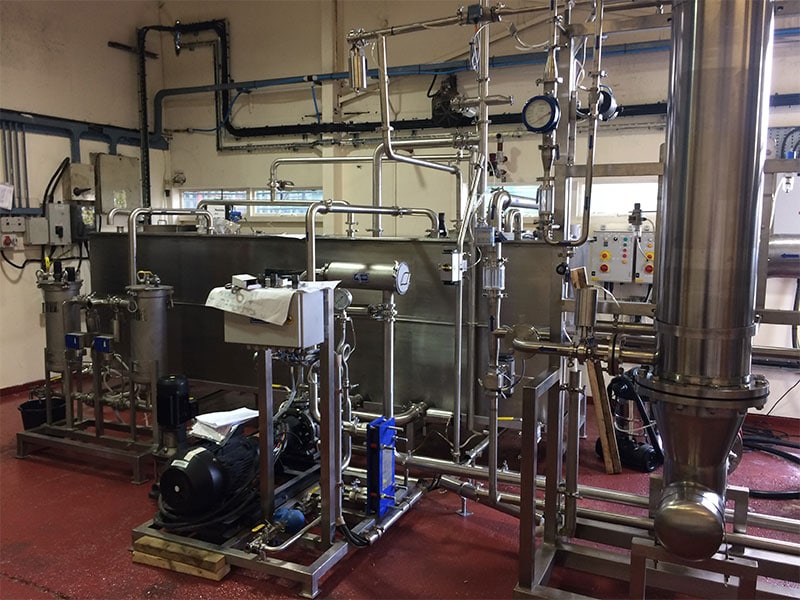
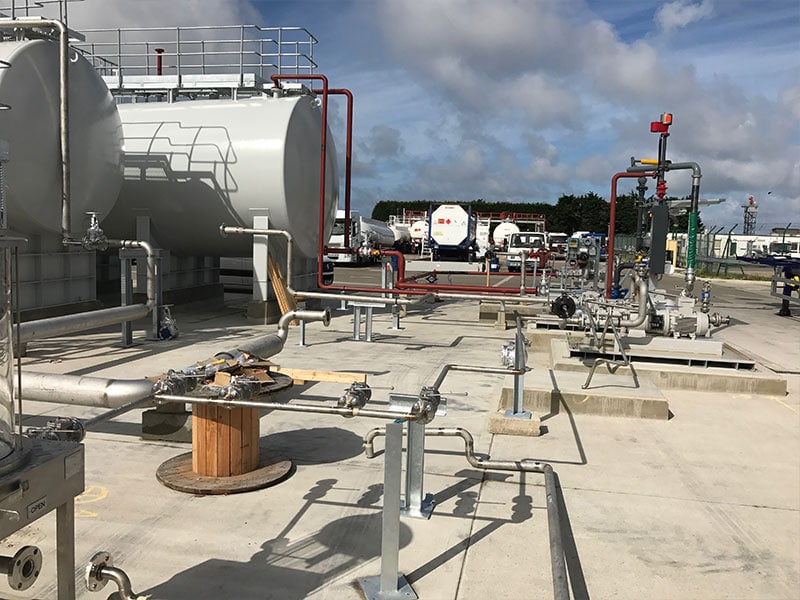
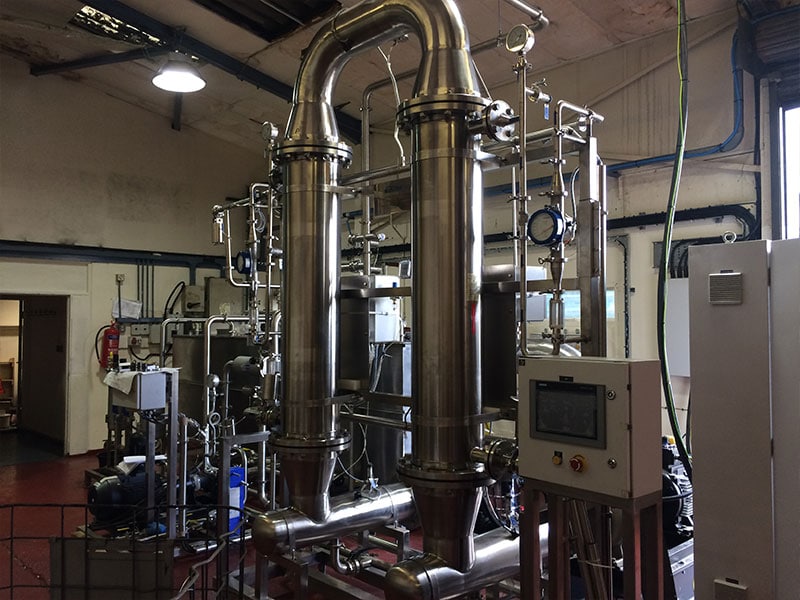
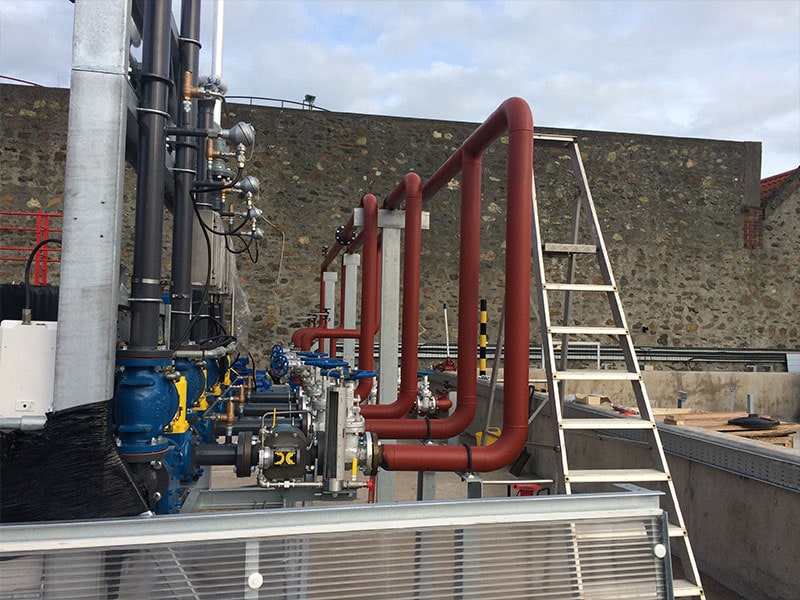
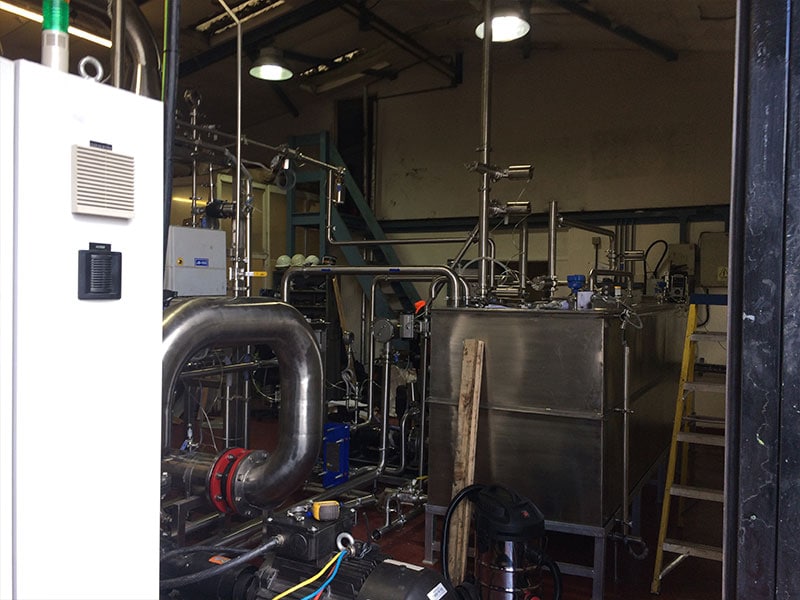
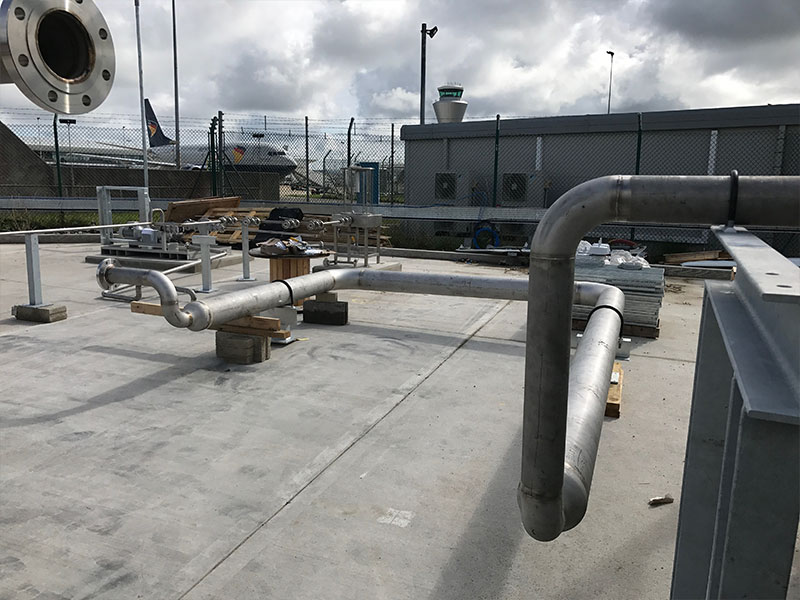
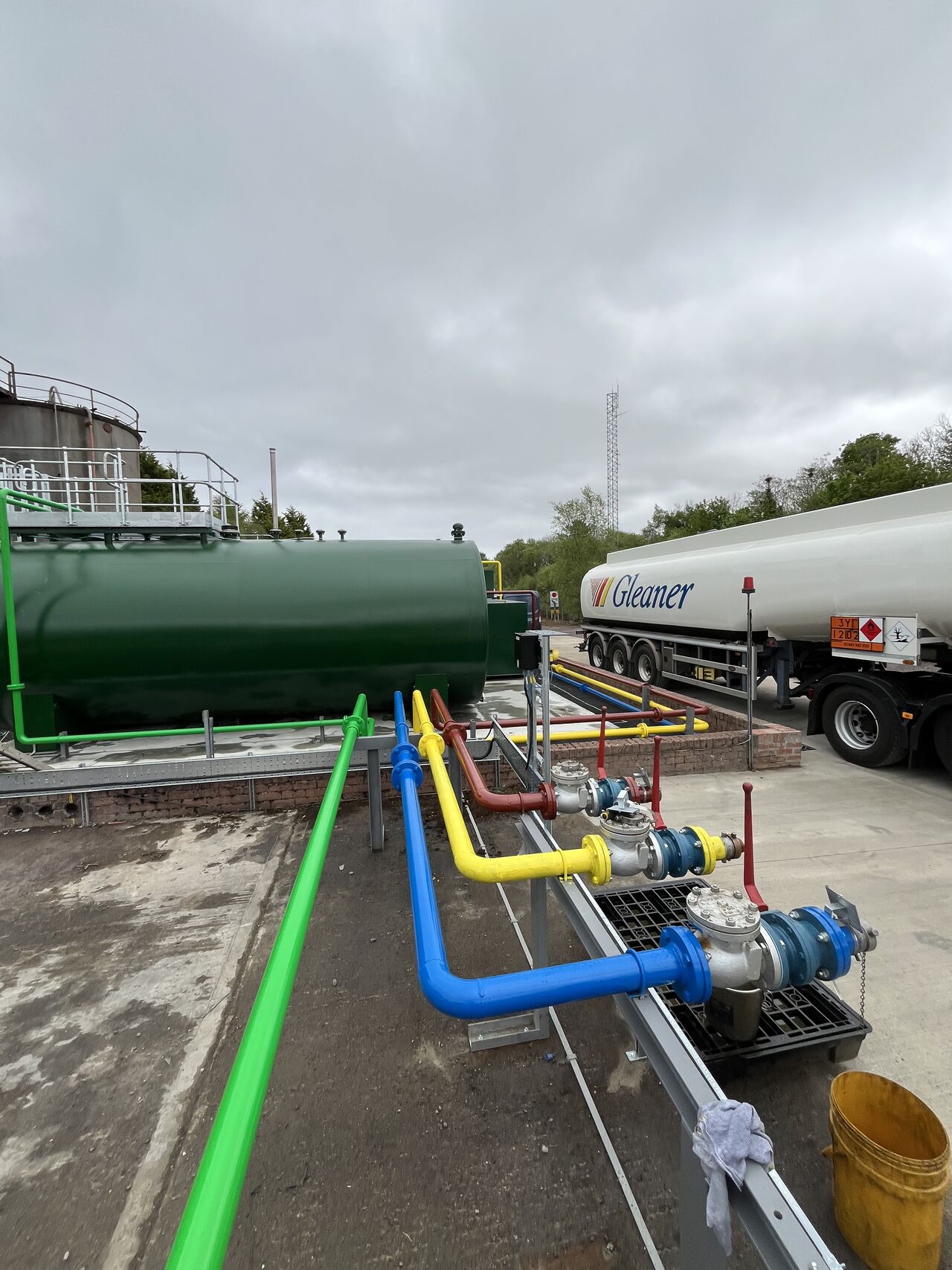
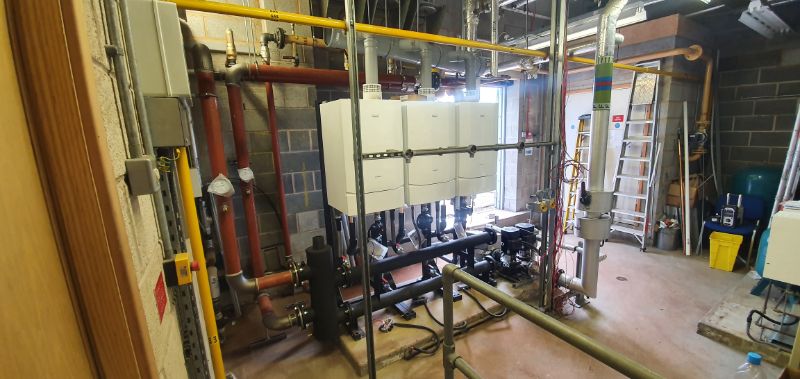
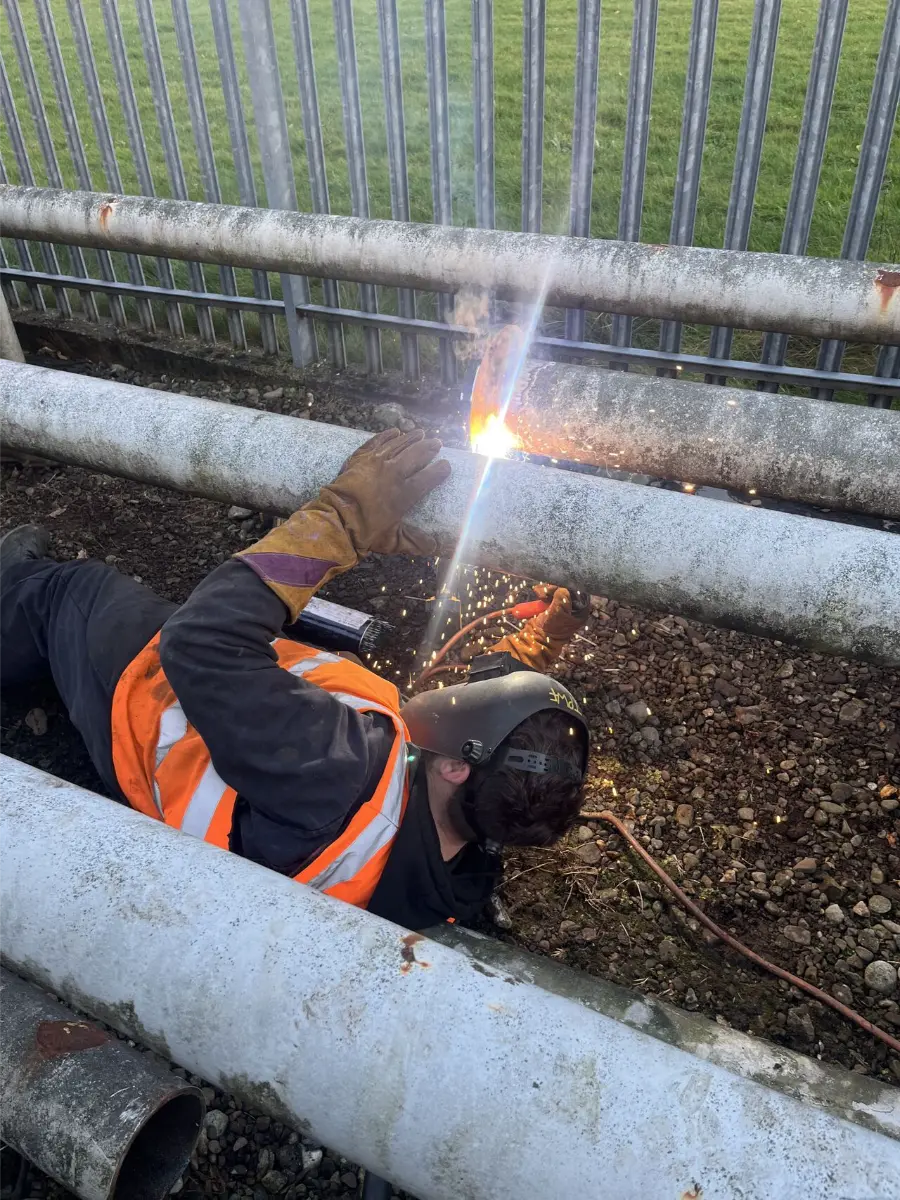
The process varies depending on the type of system. Still, it will usually include review, measurement, cutting, welding, assembly, inspection, testing and delivery.
1. Review and Measurement
Prefabrication usually begins with drawings, measurements, specs or existing information. Knowing this allows dimensions, connections, accessibility needs, etc. to be verified prior to starting fabrication.
2. Cutting and Prepwork
Cutting pipes and fittings to desired lengths, preparing ends, facing flanges if necessary and verifying layout dimensions prior to assembly.
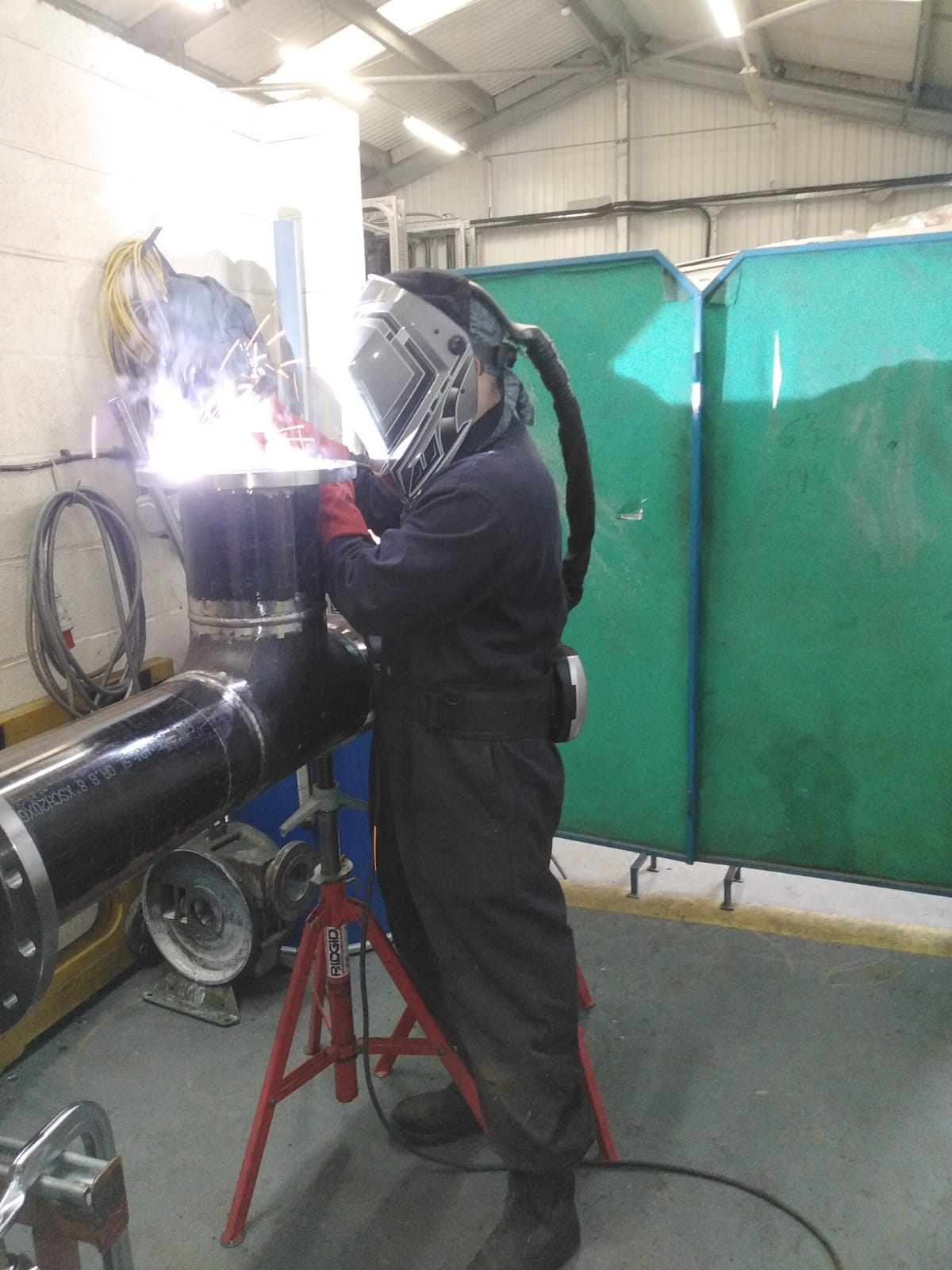
3. Welding and Assembly
Assembly and welding of sections takes place within the workshop where possible. Kee Engineering can provide coded welding if specified on the project.
Prefabrication uses state-of-the-art machinery and technology to ensure all measurements are accurate. Welding can be controlled to ensure the highest quality welds. Both of these factors allow for much higher quality pipe work overall.
4. Inspection and Testing
Inspections can include visual inspection, dimensional inspection, weld inspection, Non-Destructive Testing, and Hydrostatic testing, if required. Material certs can also be coordinated if necessary. Prefabricated pipe assemblies are inspected several times throughout the fabrication process.
5. Delivery and Final Assembly
Once everything’s been inspected, the parts are ready to be sent for their permanent fix. All final bolting, connections and adjustments can then be made.